


Glaucoma is a degenerative disease of the optic nerve that gradually impairs peripheral vision. The optic nerve is harmed by a class of eye disorders called glaucoma. The optic nerve carries visual information from the eye to the brain.
IOP measurement, angle study, corneal pachymetry, OCT optic nerve analysis, and visual field analysis (perimetry) are all crucial tools for managing glaucoma. Eye pressure can be managed with incisional surgery, lasers, or eye drops.
(1) SLT (selective laser trabeculoplasty) and
(2) LPI (laser peripheral iridotomy).
By using low energy light to improve the body’s natural fluid drainage system, SLT aids in the treatment of open-angle glaucoma.
Early detection and treatment are essential for managing glaucoma and preventing vision loss that could lead to blindness.
Laser surgery and medication are available as treatment options. It is important to realise that glaucoma treatment will likely last the patient’s whole life. The patient will need to see an eye specialist for regular eye exams.
The first line of treatment for open angle glaucoma is usually eyedrops. If drugs don’t work, patients might need laser treatment or surgery.
The first line of treatment for closed angle glaucoma is usually laser iridotomy. The patient may also need medication, usually eyedrops, to maintain the desired eye pressure.
Surgery to reduce eye pressure is nearly always necessary for congenital glaucoma.
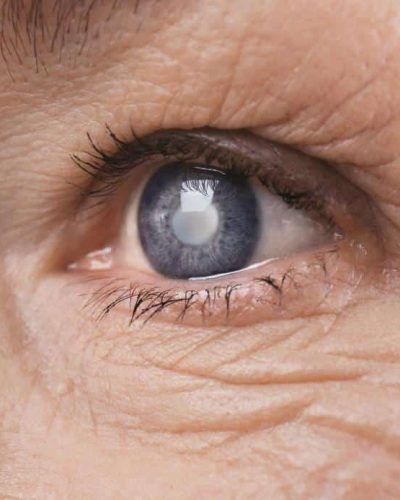
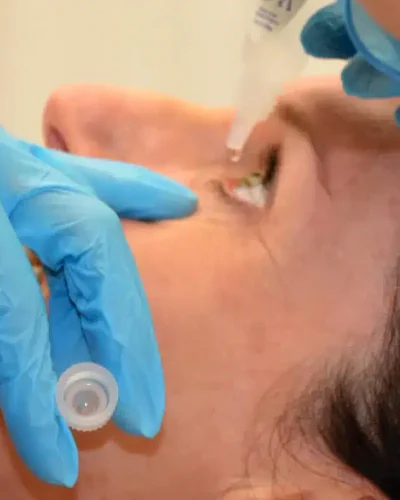
Trabeculectomy and Ex-Press shunts are two major surgical procedures for glaucoma. These often work very well to lower eye pressure, but they have a number of potential side effects. The MIGS group of operations was developed in recent years to reduce the complications that come with most common surgeries for glaucoma.
In eyes that have previously undergone a failed trabeculectomy or that have insufficient conjunctiva due to scarring from prior surgeries or injuries, these devices are effective in regulating intraocular pressure (IOP). Furthermore, the devices have proven effective in treating a variety of complex glaucoma types, including uveitic glaucoma, paediatric and developmental glaucoma, and neovascular glaucoma.